Digital marketing agencies juggle multiple clients, projects, and deadlines every day. Coordinating diverse teams of creatives, strategists, and account managers while keeping clients in the loop poses a unique challenge. Client collaboration software has emerged as an essential tool that helps agencies streamline workflow, improve communication, and deliver superior results efficiently.
This article explores how client collaboration software transforms the working dynamics of digital marketing agencies, driving productivity, transparency, and client satisfaction in 2025 and beyond.
Why Client Collaboration Software Matters for Digital Marketing Agencies
Marketing campaigns are complex projects involving diverse deliverables such as content creation, social media management, paid advertising, SEO, and analytics reporting. Smooth collaboration among internal teams and clients is critical to success.
Client collaboration software centralizes project communication, task management, and file sharing, eliminating fragmented emails and scattered feedback. It ensures every stakeholder stays aligned on campaign goals, deadlines, and performance metrics.
Key Benefits of Client Collaboration Software for Marketing Agencies
Improved Communication Across Teams and Clients
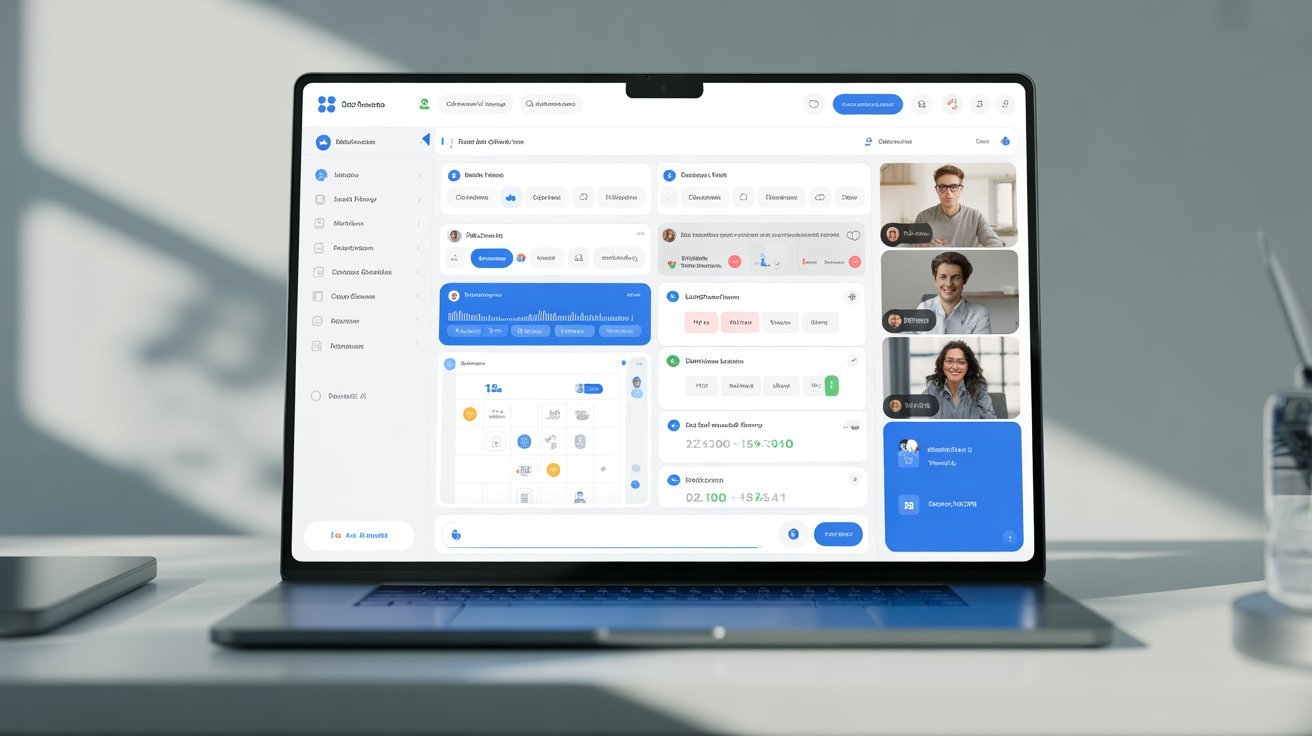
With client collaboration software, agencies consolidate all discussions in a single platform that supports real-time messaging, video calls, and commenting features. This makes it easier to clarify briefs, share progress updates, and obtain client approvals without delay.
Streamlined Project and Task Management
Agencies handle multiple campaigns simultaneously, each with different timelines and teams. Project management features like kanban boards, timelines, and task dependencies help keep everything on track and reduce missed deadlines.
Enhanced Client Transparency and Trust
Clients appreciate visibility into campaign status and deliverables. Collaboration tools offer dedicated client portals or shared dashboards where clients can view progress and provide timely feedback, fostering a partnership mindset.
Efficient Feedback and Revision Cycles
Marketing projects require frequent iterations based on client input. Software that allows in-context commenting on documents, designs, or content drafts accelerates feedback collection and revision processes.
Secure File Sharing and Version Control
Managing numerous files, creative assets, and documents securely is vital. Collaboration platforms provide encrypted file sharing with version histories to ensure accuracy and protect client data.
Automation and Integration for Efficiency
Integration with CRM, email marketing, analytics, and finance tools allows agencies to automate routine tasks and sync data across systems. Automation features such as reminders and status notifications help keep teams proactive and clients informed.
Popular Client Collaboration Software Used by Marketing Agencies
Asana
Asana’s flexible workflows and reporting features make it a favorite among digital marketing teams for managing tasks, deadlines, and client communications seamlessly.
Monday.com
Monday.com’s visual approach and automation capabilities help agencies reduce manual work and customize projects according to varied client needs.
Basecamp
Basecamp’s simplicity and emphasis on communication suit agencies focused on straightforward collaboration without complexity.
Slack
Slack’s real-time messaging ecosystem supports quick information sharing and integrates with other marketing tools for a holistic collaboration experience.
Best Practices for Marketing Agencies Using Collaboration Software
-
Define Clear Communication Protocols: Set guidelines on response times, preferred channels, and feedback processes to ensure professionalism.
-
Centralize Campaign Assets: Use shared folders and version control to avoid confusion over creative files.
-
Customize Client Access: Provide clients with tailored views or portals exposing only project-relevant information.
-
Train Teams and Clients: Invest in training to maximize adoption and effective software use.
-
Leverage Analytics: Use software reporting to track team performance and campaign progress, and share insights with clients.
Read More: Affordable Client Collaboration Software Options for Small Businesses
Conclusion
For digital marketing agencies, client collaboration software is more than just a tool—it’s a strategic asset that enhances operational efficiency, client relationships, and project outcomes. By integrating the right software, agencies streamline workflows, foster collaboration, and deliver campaigns that meet or exceed client expectations.
To explore emerging trends and expert advice on collaboration tools in marketing, visit this insightful Forbes Technology Council article.