In the world of content monetization, RPM is the ultimate performance indicator. Website owners, bloggers, and publishers consistently notice one clear pattern. Pages targeting digital marketing keywords earn significantly more revenue than those focused purely on SEO keywords. This difference is not accidental. It is driven by advertiser intent, bidding behavior, buyer readiness, and market competition.
Understanding why digital marketing keywords generate higher RPM than SEO can completely change how you plan content, choose niches, and scale AdSense or programmatic earnings.
This article breaks down the reasons, data logic, and monetization psychology behind higher RPM digital marketing keywords and explains how publishers can use this insight to maximize long-term revenue.
Understanding RPM in Simple Terms
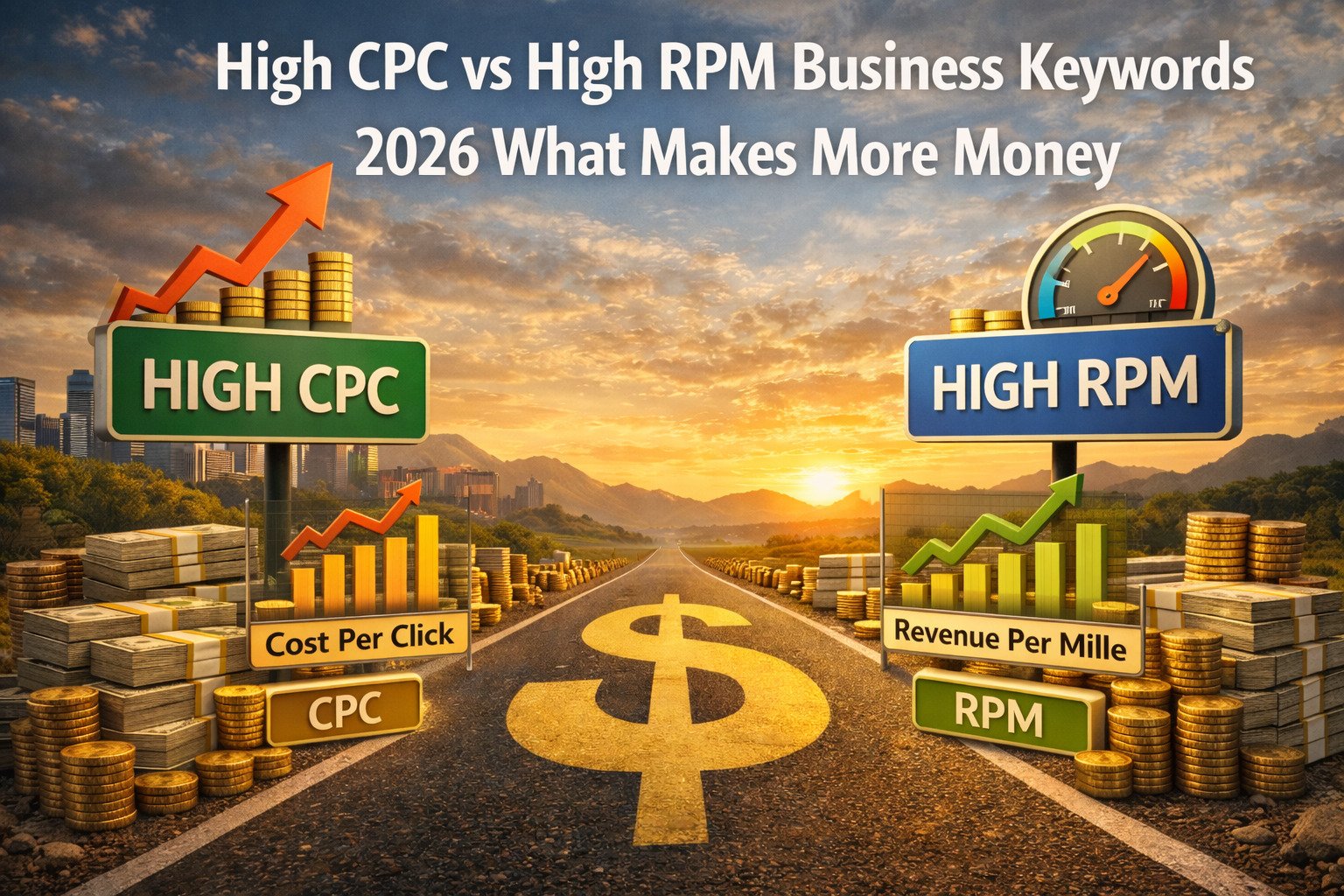
RPM means revenue per thousand impressions. It shows how much money you earn when one thousand users view a page.
RPM depends on three main factors:
• Advertiser competition
• Cost per click
• Commercial intent of the keyword
Even with similar traffic volumes, two pages can produce drastically different RPM values depending on keyword intent.
This is where digital marketing keywords outperform SEO keywords.
Difference Between Digital Marketing Keywords and SEO Keywords
Before going deeper, it is important to understand the difference.
SEO keywords often target informational or learning intent such as:
• What is SEO
• How to rank on Google
• On page SEO checklist
Digital marketing keywords usually target commercial or business intent such as:
• Digital marketing agency software
• PPC management tools
• Marketing automation platforms
• CRM for digital marketers
Advertisers pay more when users are closer to making a purchase. Digital marketing keywords attract users who are already in decision mode.
Advertiser Intent Drives Higher RPM
The biggest reason digital marketing keywords generate higher RPM is advertiser intent.
Companies bidding on digital marketing terms are usually:
• SaaS platforms
• Enterprise software companies
• Marketing agencies
• Automation and analytics tools
These businesses earn thousands of dollars per customer. Paying high CPC rates is profitable for them.
SEO keywords, on the other hand, attract beginners, students, and bloggers who are still learning. Advertisers see lower conversion rates from these audiences, so they bid less.
Higher advertiser intent equals higher RPM.
Digital Marketing Keywords Have Higher CPC Rates
Cost per click plays a massive role in RPM calculations.
Digital marketing keywords often have CPC values ranging from:
• $5 to $50
• Sometimes even higher in competitive regions
SEO keywords usually fall between:
• $0.50 to $5
When a page receives traffic from high CPC keywords, even a small number of ad clicks can dramatically increase RPM.
According to advertising insights published by Google Ads
https://ads.google.com
marketing related keywords consistently rank among the highest CPC categories globally.
Businesses Compete Aggressively for Digital Marketing Traffic
Digital marketing is a revenue driven industry.
Companies spend millions on customer acquisition. Every qualified lead has measurable ROI. This creates intense bidding wars for visibility.
SEO focused keywords attract content creators. Digital marketing keywords attract decision makers.
Because of this, advertisers are willing to outbid competitors to secure impressions on pages discussing marketing platforms, strategies, and tools.
Higher competition always leads to higher RPM.
Buyer Readiness Is Much Higher
Users searching digital marketing keywords are often:
• Business owners
• Startup founders
• Marketing managers
• Agency decision makers
They are not just researching. They are planning purchases.
SEO keywords attract curiosity. Digital marketing keywords attract budgets.
Ad platforms detect this behavior and automatically prioritize higher paying ads, increasing RPM without extra optimization.
Digital Marketing Keywords Trigger Premium Ad Categories
Another overlooked factor is ad category value.
Digital marketing content triggers premium categories such as:
• SaaS software ads
• Enterprise marketing tools
• CRM platforms
• Analytics solutions
• Paid advertising platforms
These ad categories have higher minimum bids and better advertiser quality.
SEO content often triggers:
• Hosting ads
• WordPress themes
• Beginner tools
While useful, these ads do not compete at enterprise levels.
Conversion Tracking Improves Advertiser Confidence
Advertisers bidding on digital marketing keywords often use advanced conversion tracking.
They know exactly how much a click is worth.
When advertisers see reliable conversion data, they increase bids aggressively. This directly improves RPM for publishers.
SEO keyword advertisers usually rely on broader branding metrics, resulting in conservative bidding strategies.
Geo Targeting Works Better With Digital Marketing Content
Digital marketing keywords perform extremely well in high value countries such as:
• United States
• United Kingdom
• Canada
• Australia
Businesses targeting these markets spend more on advertising.
SEO content often attracts global traffic from mixed regions with lower advertiser demand.
Higher quality geographic traffic equals higher RPM.
Digital Marketing Keywords Support Affiliate Monetization
Beyond ads, digital marketing content supports affiliate revenue.
Many tools offer commissions ranging from 20 percent to 40 percent recurring.
This layered monetization indirectly boosts RPM because advertisers detect commercial intent and increase bids on those pages.
SEO informational content rarely converts into high ticket affiliate sales at the same rate.
Long Term RPM Stability
SEO trends change frequently. Algorithms update. Ranking positions shift.
Digital marketing keywords offer better long term RPM stability because:
• Businesses will always advertise
• Marketing tools constantly evolve
• New platforms launch every year
Even if traffic fluctuates, RPM remains consistently high.
How Publishers Can Shift Strategy for Higher RPM
If your site currently focuses on SEO tutorials, consider expanding into digital marketing topics such as:
• Marketing software comparisons
• CRM reviews
• PPC campaign strategies
• Email automation platforms
• Lead generation tools
This does not mean abandoning SEO. It means monetizing SEO knowledge through commercial intent topics.
More Article: Why Mix Monetization Outperforms Single Revenue Models
Final Thoughts
The reason digital marketing keywords generate higher RPM than SEO is rooted in economics, not algorithms.
Higher advertiser intent, stronger buyer readiness, premium ad categories, and aggressive competition all work together to increase revenue per impression.
Publishers who understand this shift can significantly increase earnings without increasing traffic.
Choosing the right keywords is not just about ranking. It is about monetization intelligence.
Frequently Asked Questions
Why do digital marketing keywords pay more than SEO keywords?
Digital marketing keywords attract business buyers and software companies that pay higher CPC for qualified leads.
Can SEO content still generate high RPM?
Yes, but mostly when combined with commercial intent such as SEO tools, audits, and agency services.
Are digital marketing keywords harder to rank?
They are more competitive, but long tail variations offer strong ranking and monetization opportunities.
Is digital marketing better for AdSense?
Yes, digital marketing niches consistently show higher RPM compared to purely informational SEO topics.
Should beginners target digital marketing keywords?
Beginners can start with long tail digital marketing keywords to balance ranking difficulty and revenue.