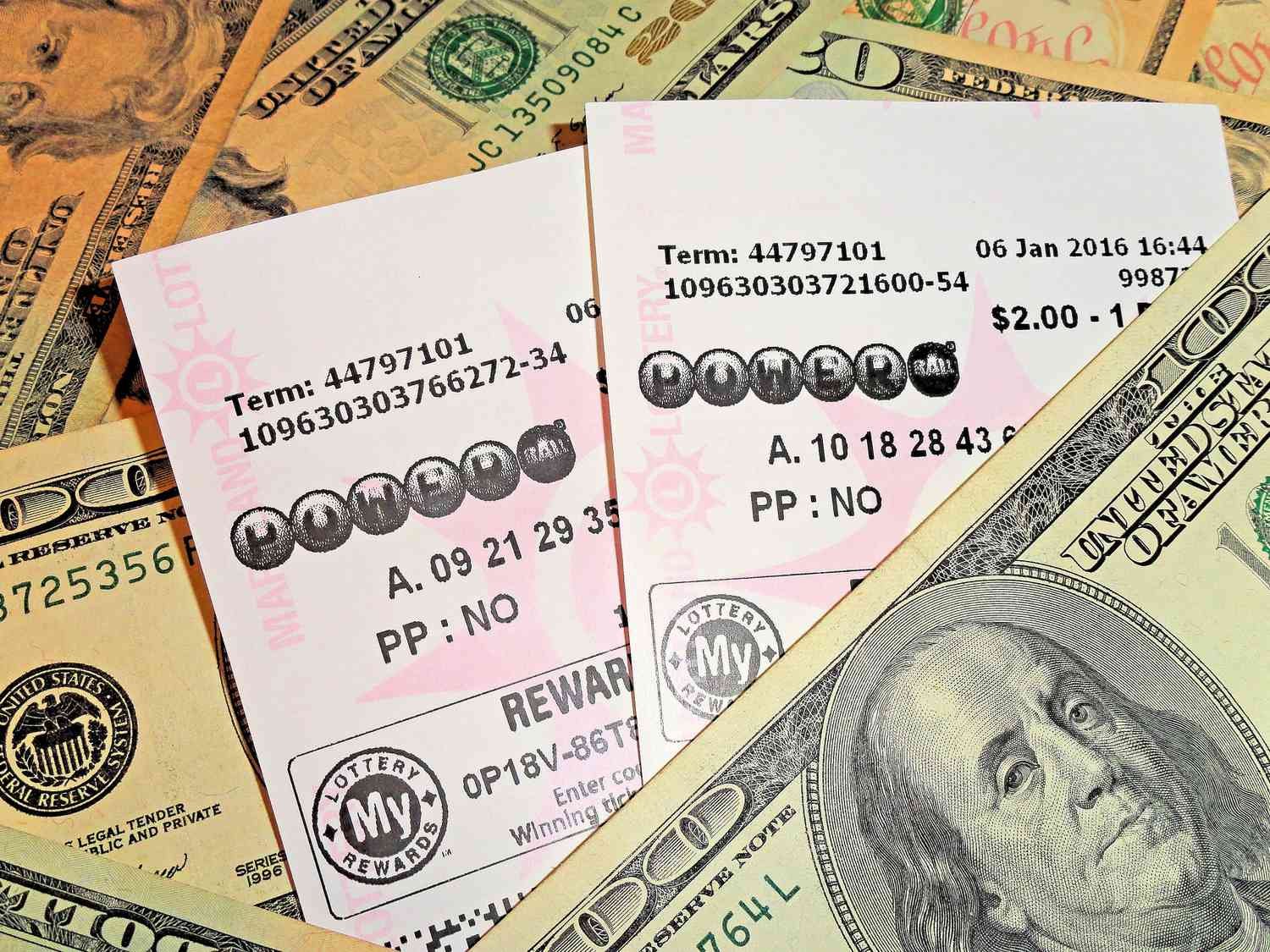
Lottery games are an exciting way to dream big, and two of the most popular options in the United States are Powerball and Lucky for Life. Both offer substantial prizes, but understanding how taxes work and how to claim winnings is critical before playing. Many players focus only on the jackpot amount, but the tax treatment and claim procedures can significantly impact how much money actually ends up in your pocket.
In this article, we explore Powerball vs Lucky for Life, focusing on tax rules and the prize claim process. This guide helps players make informed decisions, avoid surprises, and maximize their winnings.
Overview of Powerball

Powerball is a multi-state lottery game available in 45 states, the District of Columbia, Puerto Rico, and the U.S. Virgin Islands. The game is famous for its massive jackpots, which often reach hundreds of millions of dollars.
Players select five numbers from 1 to 69 and one Powerball number from 1 to 26. Drawings occur three times a week, giving players frequent chances to win.
Powerball offers multiple prize tiers, ranging from $4 for matching only the Powerball to the jackpot, which starts at $20 million and grows until won.
Official information on Powerball rules and prizes can be found at the Powerball official website.
Overview of Lucky for Life

Lucky for Life is another multi-state lottery, but it has a different prize structure. Instead of enormous one-time jackpots, it focuses on guaranteed lifetime income.
Players pick five numbers from 1 to 48 and one Lucky Ball number from 1 to 18. Drawings occur twice per week.
The top prize is $1,000 a day for life, with a guaranteed minimum payout of $5.75 million over 20 years if the annuity is chosen. The second-tier prize is $25,000 a year for life, which is rare among U.S. lotteries.
Lucky for Life emphasizes consistency, providing smaller but more achievable wins than Powerball.
Tax Rules for Powerball
Understanding Powerball taxes is essential because the advertised jackpot is not the amount you actually receive. Taxes can significantly reduce winnings, especially for large jackpots.
Federal Taxes
All U.S. lottery winnings are subject to federal income tax. The IRS automatically withholds 24 percent from winnings over $5,000. However, depending on your tax bracket, the total federal tax could reach up to 37 percent.
State Taxes
State taxes vary widely. Some states, like California, do not tax lottery winnings, while others, like New York, can take more than 8 percent. If you live in a state that taxes winnings, both federal and state taxes apply.
Lump-Sum vs Annuity
Powerball winners can choose between a lump-sum payment and an annuity paid over 30 years. The lump-sum payment is significantly less than the advertised jackpot, but taxes are applied immediately. An annuity provides annual payments that can help manage taxes more efficiently over time.
Tax Rules for Lucky for Life
Lucky for Life prizes are also subject to taxes, but the payment structure can affect how much is owed.
Federal Taxes
Federal withholding is the same as Powerball, starting at 24 percent. However, lifetime payments may allow winners to spread their tax obligations over many years, which can reduce the overall impact.
State Taxes
As with Powerball, state taxes depend on where the ticket was purchased. Winners should check local laws to determine whether state tax will be withheld.
Lump-Sum vs Annuity
Lucky for Life winners usually receive payments annually. The game encourages lifetime annuities, which can offer predictable income and potentially lower overall tax burden compared to taking a lump sum from Powerball.
Prize Claim Process for Powerball
Claiming a Powerball prize requires attention to rules and deadlines, which vary by state.
Steps to Claim a Prize
-
Sign the Ticket: Always sign the back immediately after purchase to secure ownership.
-
Verify the Numbers: Check your ticket against official results.
-
Claim Small Prizes: Smaller prizes under $600 are usually claimed at authorized retailers.
-
Claim Large Prizes: For prizes above $600, winners must visit a state lottery office. For jackpots, additional verification and paperwork are required.
-
Choose Payment Option: Decide between lump-sum or annuity.
-
Collect Taxes: Federal taxes are automatically withheld. State taxes may vary.
Time Limits
Most states require claims within 90 to 365 days from the drawing date. Failing to claim in time may result in forfeiture.
Prize Claim Process for Lucky for Life
Lucky for Life claims are similar but have unique features due to lifetime payouts.
Steps to Claim a Prize
-
Sign the Ticket: Always sign your ticket immediately.
-
Check Results: Confirm numbers with official drawings.
-
Claim Smaller Prizes: Prizes under $600 can often be claimed at retailers.
-
Claim Top Prizes: Winners must go to the state lottery office for verification.
-
Payment Options: Payments are structured annually for life. Winners cannot usually take a lump sum for top prizes.
-
Taxes: Federal taxes are withheld, and state taxes depend on local laws.
Advantages
Lucky for Life payments are predictable and easier to manage financially. Tax planning over multiple years is simpler than handling a massive Powerball lump sum.
Comparing Powerball and Lucky for Life Tax Impact
| Feature | Powerball | Lucky for Life |
|---|---|---|
| Federal Tax | 24 percent initially, up to 37 percent depending on bracket | 24 percent initially, lower overall impact with annual payments |
| State Tax | Varies by state, can be high | Varies by state, often spread over years |
| Lump-Sum Option | Available | Usually not available for top prize |
| Annuity/Payments | 30-year annuity | Lifetime annual payments |
| Tax Planning | More complex for jackpots | Simpler due to consistent payments |
This comparison shows that Powerball offers more immediate wealth potential but comes with a heavy tax impact, while Lucky for Life provides financial stability and easier long-term tax management.
Final Thoughts
Choosing between Powerball and Lucky for Life depends on your goals. If you want the thrill of a massive jackpot and are comfortable managing a large tax burden, Powerball is appealing. If you prefer consistency, frequent wins, and manageable taxes over time, Lucky for Life may be the better option.
Understanding the tax rules and prize claim processes for each game ensures you can make informed decisions and protect your winnings. Knowledge is the key to enjoying the lottery experience responsibly.
Frequently Asked Questions
Are Powerball and Lucky for Life winnings taxed the same way?
Both are subject to federal and state taxes, but Lucky for Life annual payments can reduce immediate tax impact.
Can I claim a Powerball jackpot anonymously?
It depends on the state. Some states allow anonymity, while others require public disclosure.
How long do I have to claim a Lucky for Life prize?
Time limits vary by state, usually between 90 and 365 days from the drawing.
Can I take a lump sum for Lucky for Life winnings?
Top prizes are generally paid annually and do not have a lump-sum option.
Which lottery is better for tax planning?
Lucky for Life is easier to manage financially due to predictable annual payments.