
Lottery games have long captured the imagination of millions of Americans. The allure of instant wealth is irresistible to some, while others prefer a more predictable financial path. Two of the most widely played lotteries in the United States, Powerball and Lucky for Life, illustrate these contrasting approaches. Powerball offers enormous jackpots that can change a life overnight, while Lucky for Life emphasizes steady, guaranteed income over time.
Understanding the differences between these two games is essential for players who want to make informed choices. This article explores Powerball vs Lucky for Life, highlighting jackpot potential, steady income realities, odds, tax implications, and practical tips for playing smartly.
Overview of Powerball

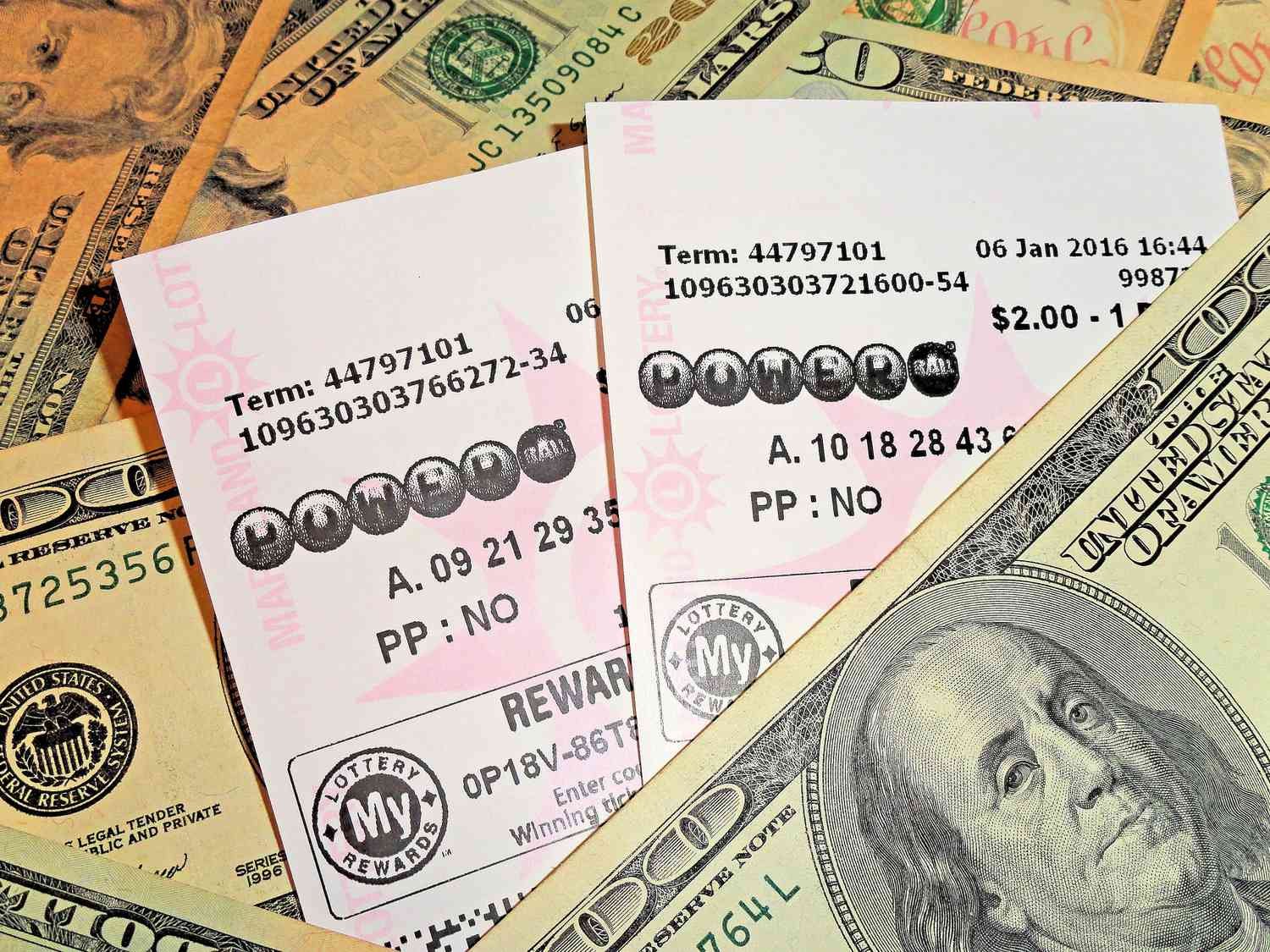
Powerball is a multi-state lottery game played in 45 states, the District of Columbia, Puerto Rico, and the U.S. Virgin Islands. Its reputation comes from jaw-dropping jackpots, some of which have reached over a billion dollars.
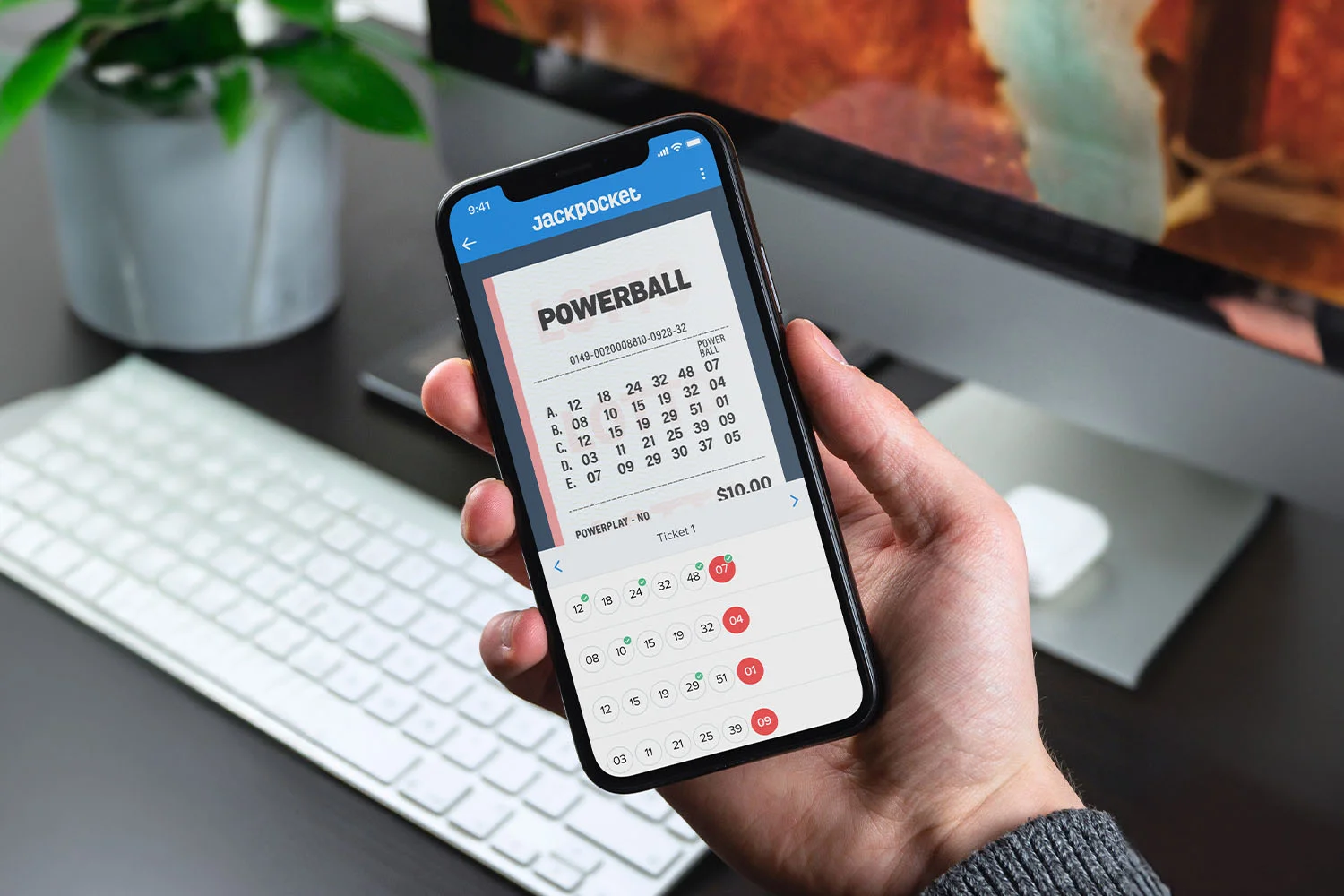
Players choose five numbers from 1 to 69 and one Powerball number from 1 to 26. Drawings are held three times a week, giving frequent opportunities to play. Powerball offers nine prize tiers, and players can also choose the Power Play option to multiply non-jackpot prizes by up to 10 times.
The main appeal of Powerball is the chance to win life-changing amounts of money with a single ticket. However, the odds of winning the jackpot are extremely low, at approximately 1 in 292 million. Despite the low probability, the massive payouts draw millions of players worldwide.
For official rules and prize details, visit the Powerball official website.
Overview of Lucky for Life
Lucky for Life provides a very different approach to lottery winnings. Instead of enormous lump-sum jackpots, it offers guaranteed income for life.
Players select five numbers from 1 to 48 and one Lucky Ball number from 1 to 18. Drawings occur twice per week. The top prize pays $1,000 a day for life, with a minimum guaranteed payout of $5.75 million over 20 years if the annuity is chosen. The second prize offers $25,000 a year for life.
Lucky for Life appeals to players who value predictable, long-term financial security. Although the prize may not be as headline-grabbing as Powerball, it provides reliable income and more frequent wins.
Life-Changing Jackpot vs Steady Income
Powerball: The Life-Changing Jackpot
Powerball is ideal for players who dream of instant wealth. Winning the jackpot can completely transform a person’s financial situation overnight. Many risk-takers are drawn to the game because of the emotional excitement of imagining life-changing wealth.
Advantages of Powerball Jackpots:
-
Massive prize amounts
-
Option for lump-sum or 30-year annuity payments
-
Excitement and social buzz around huge jackpots
Challenges:
-
Extremely low odds of winning the jackpot
-
High federal and state taxes on lump-sum payouts
-
Potential for financial mismanagement after a sudden windfall
Despite the risks, Powerball’s jackpot creates hope and anticipation for players who dream big. For some, the chance of winning hundreds of millions is worth the low probability.
Lucky for Life: Steady Income Reality
Lucky for Life focuses on long-term stability rather than sudden wealth. Its top prize pays $1,000 per day for life, offering consistent income without the stress of managing an immediate lump sum. The second-tier prize, $25,000 per year for life, ensures that even non-top-tier winners gain long-term financial benefit.
Advantages of Lucky for Life:
-
Higher overall odds of winning (1 in 7.8 for any prize)
-
Lifetime payments provide financial predictability
-
Easier tax planning due to annual payouts
-
Frequent smaller wins increase engagement
Challenges:
-
Smaller top prize compared to Powerball
-
Limited lump-sum payout options
-
Less social excitement compared to huge jackpots
Lucky for Life is especially suitable for conservative players who prioritize stability over instant wealth. It provides peace of mind, predictable cash flow, and long-term financial security.
Odds and Probability Comparison
| Feature | Powerball | Lucky for Life |
|---|---|---|
| Jackpot Odds | 1 in 292 million | 1 in 30.8 million |
| Odds of Any Prize | 1 in 24.9 | 1 in 7.8 |
| Drawings | 3 times per week | 2 times per week |
| Top Prize Type | Lump sum or 30-year annuity | Lifetime annual payments |
| Best For | Risk-taking, chasing huge jackpots | Conservative players, seeking steady wins |
The difference in odds illustrates why Powerball is suited for dreamers willing to take enormous risks, while Lucky for Life is better for players who prefer consistent, achievable rewards.
Tax Implications
Both games are subject to federal and state taxes, which can significantly impact winnings.
Powerball Taxes:
-
Federal withholding starts at 24 percent but can reach up to 37 percent depending on your tax bracket
-
State taxes vary, with some states like California imposing no tax and others like New York exceeding 8 percent
-
Lump-sum winners may face a large immediate tax burden, while annuity payments spread taxes over 30 years
Lucky for Life Taxes:
-
Federal withholding is similar, but lifetime payments reduce immediate tax impact
-
State taxes vary depending on the location of the ticket purchase
-
Annual payouts simplify financial planning and tax management
Conservative players often find Lucky for Life more manageable for taxes, while Powerball winners must carefully plan for large lump-sum tax obligations.
Smart Playing Tips
Powerball Tips
-
Set a budget and treat tickets as entertainment.
-
Join lottery pools to increase chances of winning without extra cost.
-
Understand the odds and avoid unrealistic expectations.
-
Consider annuity payments for better long-term tax planning.
-
Play consistently, but avoid overspending.
Lucky for Life Tips
-
Buy tickets regularly to take advantage of better odds.
-
Focus on predictable, long-term benefits rather than instant wealth.
-
Plan finances around annual or lifetime payouts.
-
Combine with occasional Powerball tickets for a balance of risk and stability.
-
Keep a mix of random and personal numbers for fun, without relying on patterns.
Which Game Fits Your Style?
-
Choose Powerball if you are a risk-taker: You enjoy the thrill of massive jackpots, understand the low probability, and can manage large lump-sum taxes.
-
Choose Lucky for Life if you are conservative: You prefer consistent income, better odds of smaller wins, and long-term financial predictability.
Many players find value in playing both games to balance risk and steady income potential.
Frequently Asked Questions
Which lottery is easier to win?
Lucky for Life has better overall odds, making it easier to win smaller prizes than Powerball.
Can Powerball winnings be taken as a lump sum?
Yes, winners can choose a lump-sum payout or a 30-year annuity.
Are Lucky for Life payouts taxed the same way as Powerball?
Both are taxed federally and potentially at the state level, but Lucky for Life spreads payments over many years, easing the tax burden.
How often are Powerball and Lucky for Life drawings held?
Powerball drawings occur three times per week, while Lucky for Life holds two weekly drawings.
Is it possible to play both lotteries at the same time?
Yes. Playing both allows a mix of high-risk jackpots and consistent income.









1 thought on “Powerball Vs Lucky for Life: Life-Changing Jackpot vs Steady Income Reality”