
Powerball is one of the most popular lottery games in the world, famous for its massive jackpots and life changing prizes. However, alongside its popularity, a large number of myths and misconceptions have grown over time. These misunderstandings often lead players to make poor decisions that cost them money, time, and unrealistic expectations.
Understanding the difference between Powerball myths and facts is essential for anyone who wants to play smarter, avoid unnecessary losses, and enjoy the game responsibly. This article breaks down the most common misconceptions, explains the truth behind them, and helps players approach Powerball with clarity and confidence.
Why Powerball Myths Exist

Lottery games naturally attract speculation, superstition, and emotional thinking. When jackpots climb into the hundreds of millions, people look for patterns, shortcuts, and secret strategies. Social media, word of mouth, and misleading online content further spread misinformation.
Many players lose money not because they play Powerball, but because they believe false ideas that influence how they spend, select numbers, or manage expectations.
Myth 1: Some Numbers Are Due to Win Soon
The Myth
Many players believe that if certain numbers have not appeared for a long time, they are more likely to be drawn in the next Powerball draw.
The Fact
Every Powerball draw is completely random. Each number has the same probability of being selected in every draw, regardless of past results. A number that has not appeared in months is no more likely to appear than one drawn last week.
Believing in “due numbers” often leads players to buy more tickets unnecessarily, increasing spending without improving odds.
Myth 2: Quick Picks Are Worse Than Manual Numbers
The Myth
Some players think that manually choosing numbers gives better chances than using Quick Pick options generated by a computer.
The Fact
Quick Pick numbers are generated randomly, just like the draw itself. Statistically, Quick Picks and manually chosen numbers have exactly the same odds of winning.
In fact, many jackpot winners have used Quick Picks. The belief that personal numbers are better can cause players to overthink selections and chase patterns that do not exist.
Myth 3: Buying More Tickets Guarantees a Win
The Myth
The more tickets you buy, the closer you are to winning the jackpot.
The Fact
Buying more tickets slightly increases your chances, but the odds remain extremely low. Powerball odds are approximately 1 in 292 million. Purchasing additional tickets does not guarantee a win and often leads to excessive spending.
This myth is one of the biggest reasons players lose money. Responsible play requires setting a budget and sticking to it.
Myth 4: Online Powerball Tickets Are Not Legitimate
The Myth
Many people believe Powerball tickets purchased online are fake or invalid.
The Fact
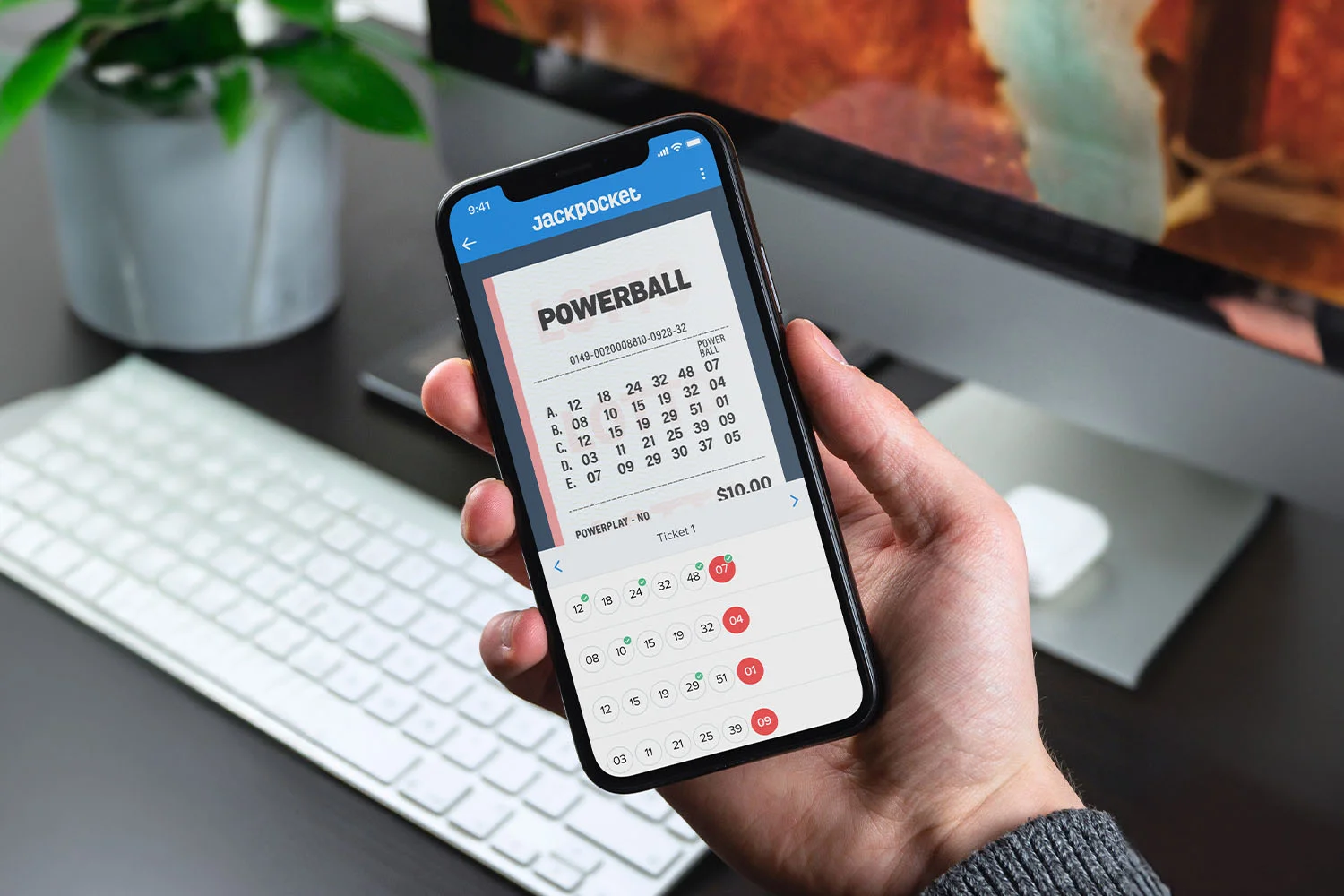
In states where online sales are permitted or through licensed lottery courier services, online tickets are legitimate. These services purchase official tickets from authorized retailers on your behalf.
To confirm official rules, jackpot details, and participating states, always rely on the official Powerball website:
https://www.powerball.com
Unlicensed websites should be avoided, but legitimate platforms are safe and widely used.
Myth 5: Certain Stores Sell More Winning Tickets
The Myth
Some players travel long distances to buy tickets from stores known for selling winning tickets, believing those locations are luckier.
The Fact
Winning tickets are distributed randomly. A store selling a winning ticket does not increase future chances. High traffic stores sell more tickets, which explains why more winners appear there.
This misconception often leads players to waste time and money traveling instead of playing conveniently.
Myth 6: Powerball Is Rigged or Manipulated
The Myth
When jackpots grow large, some players claim the game is rigged or controlled.
The Fact
Powerball drawings are highly regulated, audited, and conducted under strict security protocols. Independent auditors, secure machines, and transparent processes ensure fairness.
Believing the game is rigged discourages responsible play and fuels distrust without evidence.
Myth 7: You Should Always Play the Same Numbers
The Myth
Players often believe sticking with the same numbers increases long term chances.
The Fact
While consistency does not affect odds, many players stick to numbers emotionally to avoid regret. If those numbers ever win when not played, it can feel painful.
Statistically, changing numbers does not reduce or increase winning chances. What matters is understanding that each draw is independent.
Myth 8: Lottery Systems Can Beat Powerball Odds
The Myth
Some websites and sellers claim special systems or formulas can predict winning numbers.
The Fact
There is no system that can predict Powerball numbers. Any strategy claiming guaranteed results is misleading. These schemes often cost players money through subscriptions or software with no real value.
The only honest approach is understanding the odds and playing for entertainment.
Myth 9: Lump Sum Payments Are Always Worse
The Myth
Many believe taking the lump sum is always a bad financial decision.
The Fact
Choosing between lump sum and annuity depends on personal financial goals, tax considerations, and investment strategies. Some winners prefer immediate access, while others value long term stability.
This decision should be made with professional financial advice, not myths.
Myth 10: You Can Stay Completely Anonymous Everywhere
The Myth
All Powerball winners can remain anonymous.
The Fact
Anonymity rules vary by state. Some states allow anonymous claims, while others require public disclosure. Assuming anonymity without checking local laws can lead to unexpected publicity.
Understanding this in advance helps players make informed decisions.
How These Myths Cost Players Money
Believing Powerball myths leads to overspending, emotional decisions, and false hope. Players may chase losses, buy unnecessary tickets, or pay for fake prediction tools.
Knowledge is the strongest defense. Understanding the facts allows players to enjoy the game responsibly without financial strain.
Smart Tips for Playing Powerball Wisely
Set a fixed budget and treat tickets as entertainment, not investment
Avoid number prediction services or paid systems
Play on licensed platforms only
Understand odds and manage expectations
Never chase losses
Powerball should be fun, exciting, and stress free when played responsibly.
Final Thoughts
Separating Powerball myths vs facts is essential for anyone who wants to avoid common mistakes that cost players money. While Powerball offers thrilling jackpots and excitement, it is a game of chance, not strategy.
By rejecting misinformation, understanding probabilities, and playing responsibly, players can enjoy Powerball without falling into costly traps. Knowledge does not increase your odds, but it protects your wallet.
Frequently Asked Questions
Do lucky numbers really work in Powerball?
No. All numbers have equal probability in every draw.
Are online Powerball tickets safe?
Yes, when purchased through authorized state sites or licensed courier services.
Can Powerball odds be improved?
No method can significantly change the odds of winning.
Why do people believe Powerball myths?
Hope, superstition, and misinformation contribute to common misconceptions.
Is Powerball worth playing?
It can be enjoyable as entertainment when played responsibly and within budget.







1 thought on “Powerball Myths vs Facts: Common Misconceptions That Cost Players Money”