In the ever-evolving digital marketing landscape, businesses of all sizes rely heavily on Google Ads to reach their target audiences effectively. However, without proper budget planning, even the most promising campaigns can become costly and underperforming. As 2025 unfolds, new tools, strategies, and insights make smart Google Ads budget planning more crucial than ever before. This detailed guide walks you through effective budgeting techniques, best practices, and tools to maximize ROI (return on investment) and ensure your advertising spend aligns with your business goals.
Why Is Budget Planning Critical in 2025?
Proper budget planning is the cornerstone of successful Google Ads campaigns. It allows you to:
-
Avoid overspending: Prevent budget exhaustion before campaign goals are achieved.
-
Maximize ROI: Use data-driven insights to allocate funds efficiently.
-
Maintain campaign stability: Keep costs predictable amid fluctuating market conditions.
-
Scale smartly: Increase ad spend strategically based on proven performance.
In 2025, with AI-powered automation and shifting industry standards, intuitive yet strategic budget planning is essential for staying competitive and profitable.
Step 1: Define Clear Campaign Goals
Your budget should be aligned with specific objectives such as:
-
Increasing website traffic
-
Generating leads or conversions
-
Boosting brand awareness
-
Promoting specific products or events
Clear goals influence how much you should spend and what to prioritize. For example, a campaign focused on lead generation might require a different budget approach compared to brand awareness.
Step 2: Conduct Market and Keyword Research
Use tools like Google Keyword Planner, SEMrush, or Ahrefs to identify high-value keywords.
-
Identify high-CPC keywords: They often generate more revenue per click, so allocate more budget here.
-
Long-tail keywords: Less competitive but highly targeted, they offer better ROI.
-
Competitor analysis: Understand what your competitors are bidding on and adjust your strategy accordingly.
In 2025, leveraging AI-based keyword insights allows for precise targeting and efficient budget distribution.
Step 3: Decide on Your Bidding Strategy
Your bidding approach directly impacts your budget. In 2025, Google’s AI-powered bid strategies make this easier:
-
Manual CPC: You control bids for keywords, suitable for experienced advertisers.
-
Enhanced CPC (ECPC): Google adjusts bids in real-time to maximize conversions.
-
Target CPA/ROAS: Focuses on Cost-Per-Acquisition or Return on Ad Spend objectives, letting AI optimize bids to meet your goals.
-
Maximize Clicks/Conversions: Automated strategies that use machine learning to get the most from your budget.
Choosing the right bidding strategy depends on your campaign goals, budget size, and desired outcomes.
Step 4: Set Your Daily and Monthly Budget
Start by estimating a daily spend based on your goals and predicted CPC:
-
Use the Google Ads Budget Planner to simulate performance scenarios.
-
Allocate higher budgets to top-performing campaigns and pause or reduce spend in low-performers.
-
Consider your total marketing budget and allocate a percentage to Google Ads, typically 10-20% depending on overall marketing spend.
In 2025, dynamic budget allocation—driven by real-time performance data—is increasingly used by savvy marketers to optimize ad spend.
Step 5: Use Data and Automation Tools for Fine-Tuning
AI-driven tools and analytics play vital roles in ongoing budget management:
-
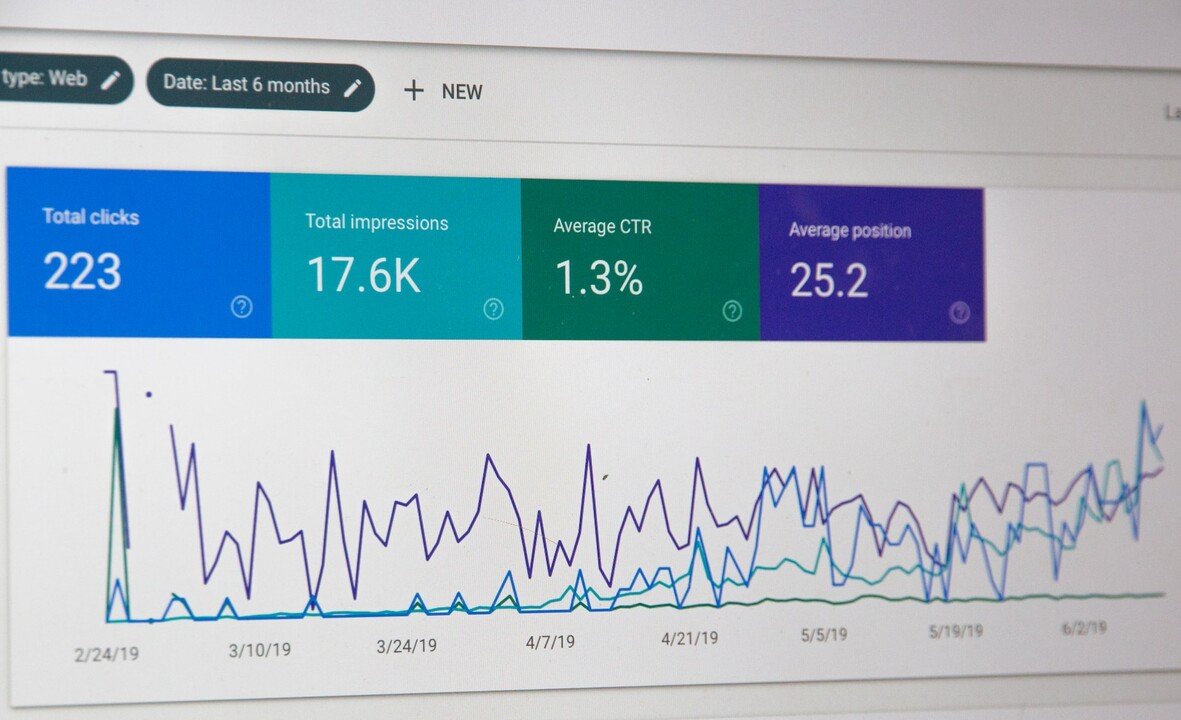
Use Google Analytics and Google Ads reports to track conversions, CTR, CPC, and ROI.
-
Automate bidding and budget adjustments through Google’s Smart Bidding features.
-
Employ third-party tools for predictive analysis and scenario modeling.
By continuously monitoring and adjusting budgets based on real data, you can ensure your spend is both effective and efficient.
Step 6: Test, Analyze, and Adjust
-
Implement A/B testing for different ad types, placements, and bidding strategies.
-
Use insights from testing to reallocate budget toward most profitable ads.
-
Regularly review campaign performance against KPIs (key performance indicators).
In 2025, predictive analytics and AI recommendations help marketers identify budget waste and opportunities for expansion.
Practical Tips for Smarter Budget Planning in 2025
-
Prioritize high-impact campaigns: Focus funds on campaigns with proven conversion potential.
-
Implement a phased approach: Start with a conservative budget and scale based on success.
-
Avoid broad targeting early on: Narrower targeting reduces waste and improves ROI.
-
Utilize dayparting: Shift budgets to times of higher user engagement.
-
Leverage remarketing: Allocate part of your budget for remarketing campaigns to target warm audiences.
High-Authority Resource
For more detailed insights on budgeting strategies and Google Ads best practices, visit Google’s official resource:
Google Ads Budget and Bidding Strategies
Read More: Google AdSense: Use-Cases, Insights, and Reviews in 2025
Conclusion
In 2025, planning your Google Ads budget smartly isn’t just about setting a spending limit; it involves leveraging AI, data analytics, and strategic foresight to optimize every dollar spent. Effective budget planning ensures your campaigns are scalable, profitable, and aligned with your long-term business objectives. By following the steps outlined—defining goals, conducting research, choosing bidding strategies, and ongoing optimization—you position yourself for success in today’s competitive digital advertising environment.
Remember, the key is flexibility and continuous learning—use analytics and automation tools to adapt your budget as market conditions and conversion data evolve. Strategic budgeting is the foundation of sustainable digital marketing growth.