Maximizing revenue from Google AdSense requires more than just adding ads to your website; selecting and optimizing the right ad formats plays a crucial role in boosting click-through rates (CTR) and earnings. Different ad formats perform better depending on the site layout, content type, and audience device preferences. Staying up-to-date with Google’s ever-evolving ad inventory and matching formats strategically to your website in 2025 is essential to unlock your full monetization potential.
This comprehensive guide explores various Google AdSense ad formats, shares best practices for selection and optimization, and offers actionable tips to maximize your AdSense revenue.
Overview of Google AdSense Ad Formats
Google AdSense offers multiple ad formats tailored to different user experiences and website designs:
-
Display Ads: Traditional banner ads available in standard sizes like 300×250, 728×90, or 160×600.
-
Text Ads: Ads primarily composed of text; though Google has deprecated pure text-only units, text-ad elements often appear in responsive ads.
-
In-Feed Ads: Ads seamlessly integrated within content feeds or lists, enhancing native ad experience.
-
In-Article Ads: Placed between paragraphs of content to blend with the reading flow.
-
Matched Content: Content recommendation units that monetize by promoting internal or third-party content.
-
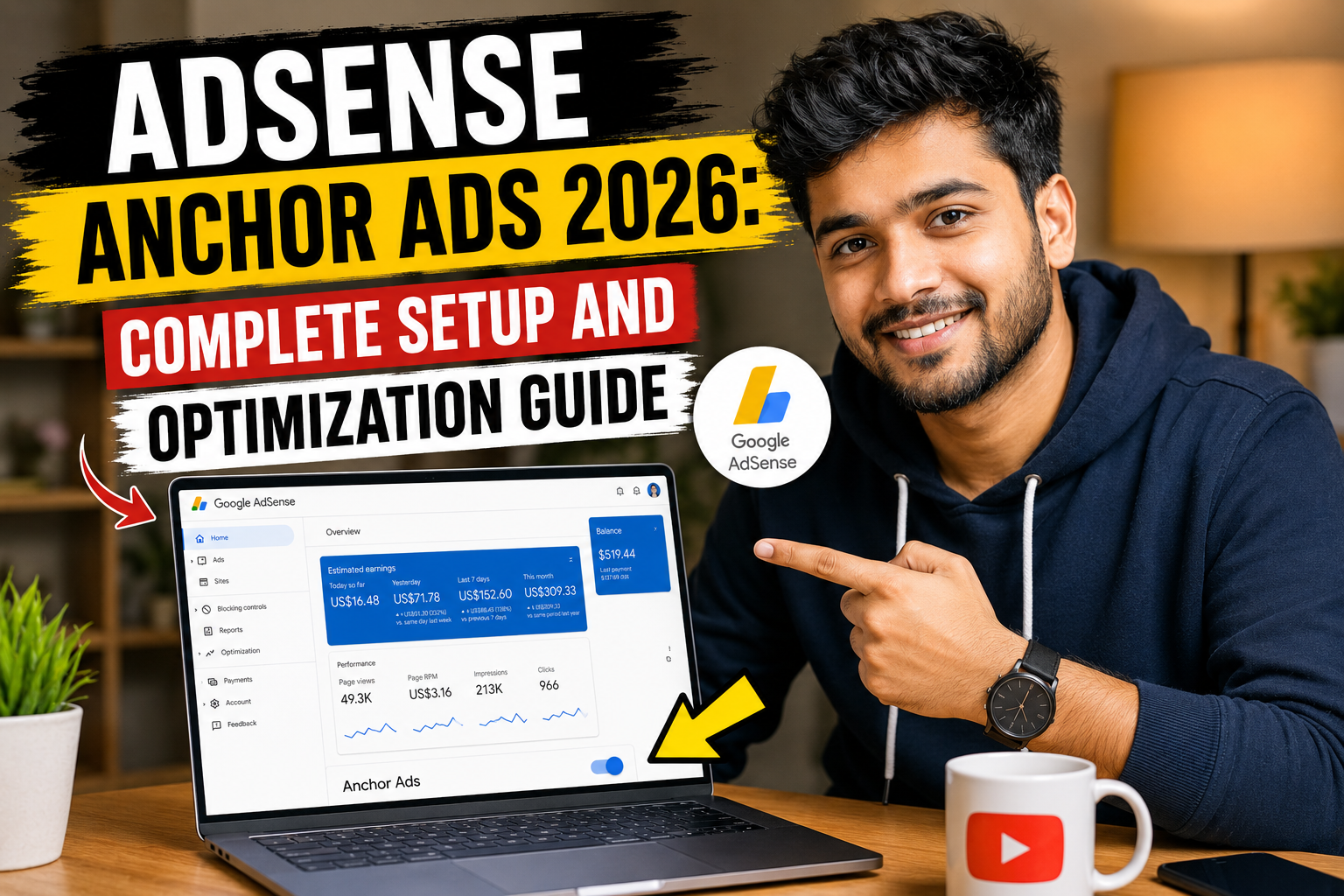
Anchor Ads: Mobile-only ads that stick to the top or bottom of the screen and can be easily dismissed.
-
Vignette Ads: Full-screen interstitial ads appearing between page loads on mobile devices.
-
Auto Ads: Machine learning-driven placements that automatically decide the ad format and placement to optimize revenue and user experience.
Choosing the Right Ad Formats for Your Website
1. Responsive Ads
Responsive ads dynamically adjust size and format based on the visitor’s device and screen size, making them highly versatile.
-
Ideal for multi-device traffic distribution.
-
Improve fill rates and user experience.
2. In-Feed and In-Article Ads
Native ad units fit seamlessly into content structures, minimizing disruption while boosting engagement.
-
Suitable for blog and news sites with lengthy content.
-
Often yield higher CTRs due to non-intrusive integration.
3. Anchor and Vignette Ads
These mobile-centric formats capitalize on the growing mobile traffic proportion.
-
Anchor ads offer persistent yet non-disruptive visibility.
-
Vignette ads provide high-impact but must be used sparingly to avoid user frustration.
4. Matched Content Units
Great for sites with rich internal content.
-
Encourage deeper user interaction and lower bounce rates.
-
Provide supplemental monetization alongside AdSense.
Best Practices for Optimizing Ad Formats
Optimize Ad Placement
-
Place in-article ads near engaging content segments (e.g., mid-article).
-
Use anchor ads on mobile to maintain visibility throughout browsing.
-
Avoid placing ads too close together or near navigational elements to reduce accidental clicks.
Balance Quantity and Quality
-
Avoid excessive ad units reducing user trust and increasing bounce.
-
Focus on high-performing formats and placements per data insights.
Test Formats Continuously
-
Leverage AdSense Experiments to compare different format performances.
-
Use heatmaps and click analytics to understand user interaction.
Speed and Performance
-
Prioritize lightweight ad formats that load quickly to prevent slowing down pages.
-
Use lazy loading for ads appearing below the fold.
Monitoring and Measuring Ad Format Success
Track critical metrics such as CTR, RPM, fill rate, and revenue split by ad format using the Google AdSense dashboard and Analytics integration. Shift resources toward higher-earning formats while optimizing or removing lower performers.
Common Mistakes to Avoid
-
Ignoring mobile optimization by only using desktop-sized ads.
-
Overloading pages with ads leading to poor experience and policy penalties.
-
Sticking with outdated formats ignoring Google’s latest ad innovations.
High Authority Resource
For comprehensive insights and updates on Google AdSense ad formats, visit the official Google AdSense Help Center: AdSense Ad Formats.
Read More: How to Use Google Analytics and AdSense Reports Together for Revenue Growth in 2025
Conclusion
Optimizing Google AdSense ad formats is essential for maximizing your website’s revenue in 2025. By understanding the variety of ad units available, strategically selecting formats suited to your audience and site structure, and continuously testing and refining placements, you unlock higher engagement and profitability.
A balanced, user-first approach to ad format optimization not only enhances earnings but also fosters a positive browsing experience that supports the long-term growth of your online presence.