


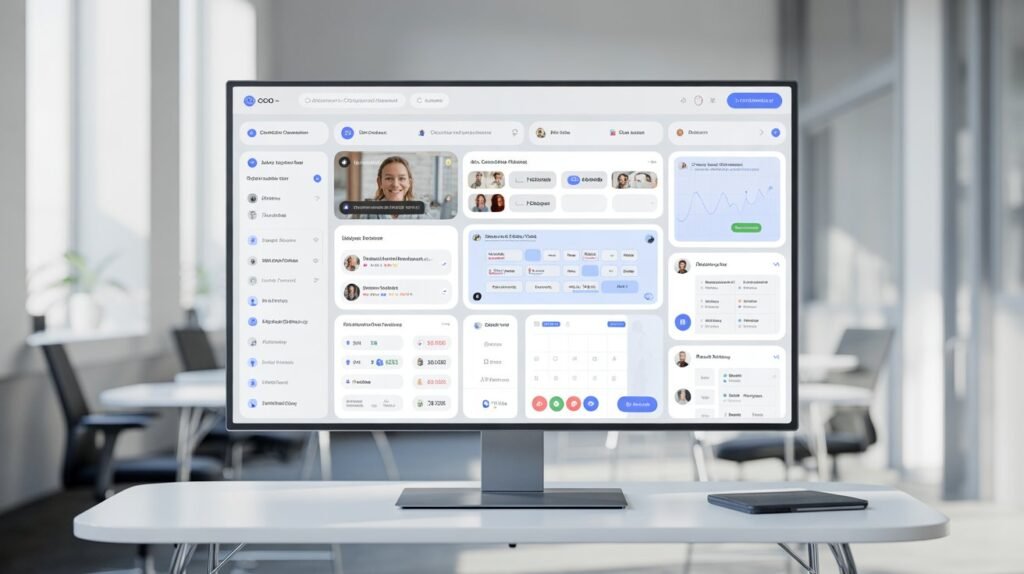
In today’s digital-first world, client collaboration software is becoming essential for businesses of all sizes. Whether you’re a small startup, a growing agency, or an established company, these tools help bridge the gap between teams and clients by streamlining communication, managing projects efficiently, and improving overall workflow.
If you’re new to client collaboration software and wondering where to start, this beginner’s guide will provide a comprehensive overview of what these tools are, why they’re important, key features to look for, and tips to successfully implement them in your business.
What Is Client Collaboration Software?
Client collaboration software is a digital platform designed to facilitate smooth interaction and cooperation between service providers and their clients. It centralizes communication, task management, file sharing, and feedback so that everyone involved in a project stays on the same page.
Unlike traditional methods such as emails or phone calls, collaboration software offers a unified space that tracks discussions, deadlines, documents, and feedback all in one place. This improves transparency and reduces errors in project execution.
Why Is Client Collaboration Software Important?
The modern business landscape increasingly relies on remote and hybrid work. In this environment, staying connected and coordinating efforts efficiently can be challenging. Client collaboration software provides several crucial benefits:
-
Improves Communication: Real-time messaging, video calls, and commenting features reduce delays and clarify misunderstandings.
-
Enhances Transparency: Clients can see project progress and contribute feedback directly, fostering trust and satisfaction.
-
Increases Productivity: Organized task management and automated workflows eliminate redundancies and streamline processes.
-
Ensures Accountability: Clearly assigned tasks and deadlines create responsibility among team members.
-
Supports Remote Teams: Access from any device enables collaboration regardless of location.
Key Features to Look for in Client Collaboration Software
When selecting your first client collaboration software, consider these must-have features that provide the greatest value:
Centralized Communication
Look for platforms that integrate messaging, video calls, and comments seamlessly. This consolidation prevents scattered conversations and ensures historical context is always available.
Task and Project Management
Effective collaboration tools should include task assignments, customizable workflows, deadline tracking, and progress visualization to help your team meet goals on time.
File Sharing and Version Control
Securely share documents and track changes to avoid using outdated files. Role-based access controls protect sensitive client information.
Integration Capabilities
Choose software that syncs with your existing tools like Gmail, calendars, CRM software, and accounting systems to maintain a cohesive workflow.
User-Friendly Interface
A simple, intuitive design accelerates adoption by your team and clients, reducing training time and resistance to change.
Mobile Access
In 2025, mobile compatibility is no longer optional. Ensure your software supports collaboration on the go through reliable mobile apps or responsive web access.
Getting Started: Tips for Implementing Client Collaboration Software
Starting with new software can be overwhelming, but following best practices ensures a smooth transition and maximizes benefits.
1. Define Your Objectives
Know what you want the software to achieve—whether it’s improving communication, streamlining approvals, or tracking project milestones. Clear goals help in selecting the right tool and setting expectations.
2. Involve Your Team and Clients Early
Include key stakeholders in the decision-making process. Their input on features and usability ensures the tool fits your team’s workflows and that clients feel comfortable using it.
3. Start Small and Scale
Begin with a pilot project or a small group before rolling out company-wide. This approach allows you to identify challenges and fine-tune settings.
4. Provide Training and Support
Offer tutorials, walkthroughs, and ongoing support to help users understand the software’s functionalities. Encouraging adoption minimizes workflow disruptions.
5. Establish Collaboration Guidelines
Set clear rules around communication etiquette, response times, feedback processes, and document management to maintain professionalism and efficiency.
6. Monitor Usage and Gather Feedback
Regularly review how the tool is used and solicit feedback from both internal users and clients. Iterate on processes to optimize collaboration.
Popular Client Collaboration Software Options for Beginners
If you’re just starting, here are some beginner-friendly client collaboration software tools in 2025:
-
Asana: Intuitive task and project management with client-friendly features.
-
Trello: Visual boards and simplicity suitable for smaller teams and projects.
-
Basecamp: Emphasizes straightforward communication and file sharing.
-
Slack: Robust messaging platform with integrations for advanced workflows.
Read More: Increase Productivity with These Powerful Client Collaboration Software Tools
Conclusion
Client collaboration software is no longer a luxury but a necessity in today’s dynamic workplace. For beginners, understanding the purpose, key features, and implementation strategies is vital to ensure you select the right tool that enhances productivity and client satisfaction.
By investing time in choosing the right platform and fostering a culture of transparent, real-time collaboration, businesses can build stronger client relationships and deliver projects more efficiently.
For further guidance on starting with collaboration tools and best practices, check out this detailed Harvard Business Review article.