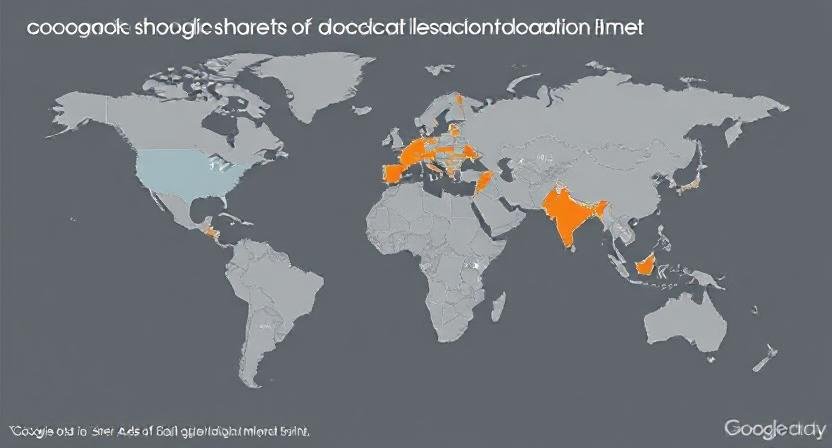
Digital advertising has transformed the marketing landscape, and Google Ads plays a pivotal role in shaping this evolution. As of 2025, Google continues to command a substantial share of the global digital advertising market, leveraging its dominance in search, video, and display advertising to provide marketers with powerful tools to reach millions of consumers worldwide. This article delves into Google Ads’ market share in 2025, exploring the factors behind its dominance, competitive positioning, and implications for advertisers and businesses.
The Global Digital Advertising Landscape in 2025
The global digital advertising market surpassed $600 billion in 2025, accelerated by increased internet penetration, mobile device usage, and the shift toward e-commerce and digital media consumption. This booming market offers growing opportunities but also intensifies competition among major players such as Google, Meta, Amazon, and emerging platforms.
Google Ads Market Share Overview
In 2025, Google Ads commands approximately 28% to 32% of the global digital advertising market, making it the undisputed market leader. This share stems from Google’s unparalleled dominance in search engine advertising, combined with its expansion in YouTube video ads, Google Display Network, and programmatic advertising platforms.
Key Segments of Google Ads Contributing to Market Share
1. Search Advertising
Google Search remains the largest contributor, accounting for over 50% of its advertising revenues. Its dominance in search queries creates valuable intent-driven advertising opportunities for brands seeking high conversion rates.
2. YouTube Advertising
YouTube advertising has grown rapidly, comprising nearly 15% of Google Ads revenue. Video ads, Shorts monetization, and emerging interactive ad formats attract significant advertiser spending due to high user engagement.
3. Google Display Network (GDN)
The Google Display Network connects advertisers with millions of websites and apps worldwide, capturing about 20% of Google Ads revenue. GDN enables diverse ad formats such as banners, interstitials, and rich media, expanding advertiser reach.
4. Programmatic and AI-Powered Ads
Google’s use of AI-driven bidding and programmatic ad buying optimizes campaign performance, increasing advertiser budgets allocated to Google Ads.
Factors Underpinning Google Ads’ Market Leadership
Technological Innovation
Continuous AI advancements enhance ad targeting, automated bidding, and user experience, keeping Google ahead of competitors.
Comprehensive Ecosystem
Google Ads integrates seamlessly with Google Analytics, Google Merchant Center, and other tools, simplifying user workflows and boosting advertiser efficiency.
Global Reach
Google’s extensive reach across search, video, and display platforms enables advertisers to access a vast and diverse audience.
Data-Driven Insights
Google provides robust analytics and attribution models, enabling marketers to measure ROI accurately and optimize campaigns dynamically.
Competitive Landscape
While Google dominates, other players like Meta (Facebook and Instagram), Amazon Advertising, and TikTok are gaining market share in niche advertising sectors. Amazon is especially strong in e-commerce-related ads, while TikTok appeals to younger demographics with short-form video.
Despite competition, Google’s ongoing innovation in AI and infrastructure investment keeps it relevant and commanding a sizeable market slice.
Implications for Advertisers
Google Ads’ large market share means it’s essential for marketers globally. Brands benefit from Google’s diverse ad formats, granular targeting, and measurable results. However, competition increases CPC (cost per click) rates, necessitating smarter campaign strategies.
For small and medium businesses, Google’s accessibility via self-serve platforms democratizes advertising opportunities.
Future Trends Impacting Google Ads Market Share
-
Expansion of AI-powered campaign automation
-
Growth of video and connected TV advertising
-
Enhanced privacy-centric ad targeting with evolving regulations
-
Increasing focus on omnichannel marketing strategies
Read More: Google’s Capital Expenditure in 2025: Strategic Investments Shaping the Future
Conclusion
In 2025, Google Ads commands roughly 30% of the global digital advertising market, solidifying its position as a market leader. Its vast product ecosystem, technological innovation, and worldwide reach provide unmatched advertising opportunities for businesses of all sizes.
For detailed insights and campaign management tips, visit the authoritative Google Ads Help Center.